
History of YMCA Movement
Beginnings in London
The Young Men's Christian Association was founded in London, England, on June 6, 1844, in response to unhealthy social conditions arising in the big cities at the end of the Industrial Revolution (roughly 1750 to 1850). Growth of the railroads and centralization of commerce and industry brought many rural young men who needed jobs into cities like London. They worked 10 to 12 hours a day, six days a week.
Far from home and family, these young men often lived at the workplace. They slept crowded into rooms over the company's shop, a location thought to be safer than London's tenements and streets. Outside the shop things were bad -- open sewers, pickpockets, thugs, beggars, drunks, lovers for hire and abandoned children running wild by the thousands.
George Williams
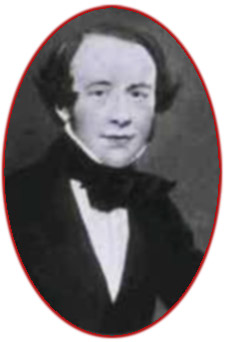 |
George Williams, born on a farm in 1821, came to London 20 years later as a sales assistant in a draper's shop, a forerunner of today's department store. He and a group of fellow drapers organized the first YMCA to substitute Bible study and prayer for life on the streets. By 1851 there were 24 Ys in Great Britain, with a combined membership of 2,700. That same year the Y arrived in North America: It was established in Montreal on November 25, and in Boston on December 29. The idea proved popular everywhere. In 1853, the first YMCA for African Americans was founded in Washington, D.C., by Anthony Bowen, a freed slave. The next year the first international convention was held in Paris. At the time there were 397 separate YMCAs in seven nations, with 30,369 members total. The YMCA idea, which began among evangelicals, was unusual because it crossed the rigid lines that separated all the different churches and social classes in England in those days. This openness was a trait that would lead eventually to including in YMCAs all men, women and children, regardless of race, religion or nationality. Also, its target of meeting social need in the community was dear from the start. George Williams was knighted by Queen Victoria in 1894 for his YMCA work and buried in 1905 under the floor of St. Paul's Cathedral among that nation's heroes and statesmen. A large stained glass window in Westminster Abbey, complete with a red triangle, is dedicated to YMCAs, to Sir George and to Y work during the first World War. (Source : http://www.ymca.net/) |

